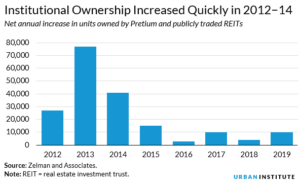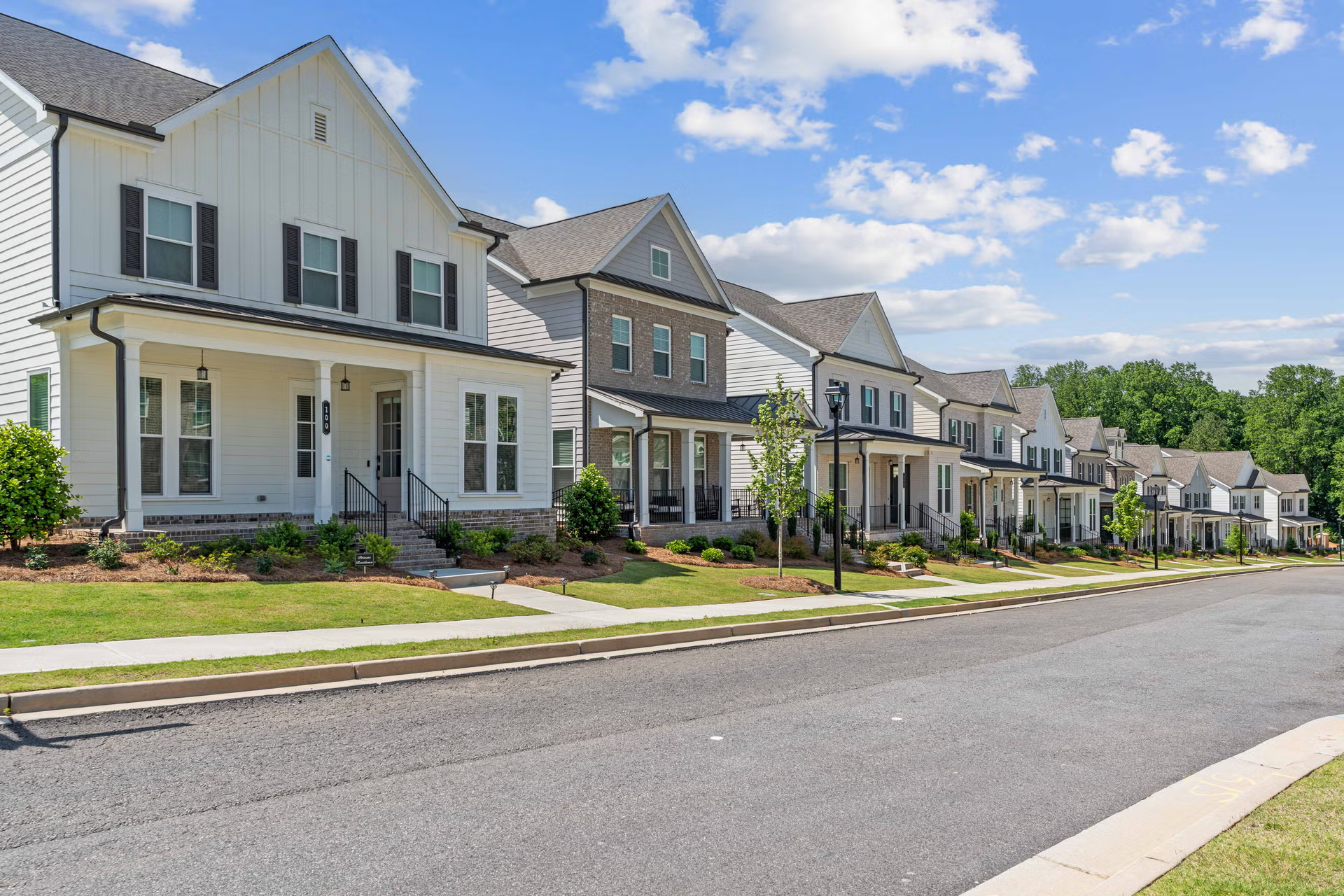
The U.S. housing market has become increasingly polarized over the last decade. First-time buyers and owner-occupants are competing not only with each other, but also with well-capitalized institutional investors deploying billions into single-family homes (SFHs). Against this backdrop, the Donald Trump administration has signaled support for limiting or banning large institutional players from purchasing additional single-family homes, positioning the policy as a way to restore affordability and homeownership access.
Whether this ultimately becomes law or not, the idea itself is significant—and worth unpacking for anyone involved in real estate.
What’s Being Proposed (At a High Level)
The stated position is straightforward: large institutions—private equity firms, hedge funds, and Wall Street–backed landlords—should not be allowed to continue accumulating single-family homes, particularly existing homes that would otherwise be purchased by families.
The framing is clear:
-
Homes are meant to be lived in, not endlessly warehoused as financial assets
-
Institutional capital should be directed elsewhere (multifamily, commercial, development), not entry-level neighborhoods
-
Reducing institutional demand could improve access for everyday buyers
Details matter here—and they’re still thin. The real impact would depend on how “large institution” is defined, what exemptions exist, and whether new construction or build-to-rent projects are included.
The Case For Restricting Institutional SFH Ownership
1. Reduced competition for first-time and local buyers
Large funds often buy with cash, waive contingencies, and move quickly—advantages that typical households simply don’t have. Restricting these buyers could level the playing field in entry-level and workforce housing markets.
2. Potential moderation of prices in targeted neighborhoods
While institutions don’t dominate the entire housing market, they are heavily concentrated in certain metros and price ranges. Removing them from those segments could cool bidding wars and reduce price pressure at the margin.
3. Reinforcing the social role of housing
From a policy and messaging standpoint, this approach emphasizes housing as shelter first, investment second. For many voters and buyers, that distinction matters—especially after years of affordability strain.
The Case Against It (and the Real-World Tradeoffs)
1. Institutions are not the main driver of high prices
Nationally, large institutional owners control only a small percentage of single-family homes. Critics argue that banning them may sound impactful but won’t materially fix affordability in most markets.
2. The real problem is housing supply
Most economists agree: the U.S. simply does not build enough housing. If supply remains constrained, prices can stay elevated even if one buyer class exits. Smaller investors, high-income households, or foreign buyers may simply fill the gap.
3. Possible reduction in rental inventory
Institutional capital plays a major role in single-family rentals and build-to-rent developments. Restricting that capital could slow new construction, reduce rental supply, or push rents higher in some areas.
4. Enforcement and loopholes will determine effectiveness
Any restriction will live or die by its definitions:
-
How many homes qualify as “too many”?
-
Does it apply to LLCs, partnerships, and affiliates?
-
Are new builds treated differently from existing homes?
Poorly written rules could simply push ownership into smaller entities without changing outcomes on the ground.
What This Means for Investors and Buyers
For owner-occupants, this proposal is directionally positive—especially in markets where institutional buyers are active.
For small and mid-sized investors, the impact may be neutral or even positive. Many policies aimed at “big institutions” still allow room for individual investors, local operators, and value-add buyers.
For large funds, the signal is clear: political risk around single-family rentals is rising, and future capital may shift toward multifamily, development, or alternative real-estate strategies.
Bottom Line
The Trump administration’s stance reflects a growing bipartisan discomfort with the financialization of single-family housing. Restricting large institutional buyers may help at the margins, particularly in targeted neighborhoods—but it is not a silver bullet.
Until the U.S. meaningfully increases housing supply, affordability challenges will persist. Still, this policy debate matters, because it shapes where capital flows, who competes for homes, and how housing is defined in the American economy.
For buyers, investors, and operators alike, this is a space worth watching closely.